

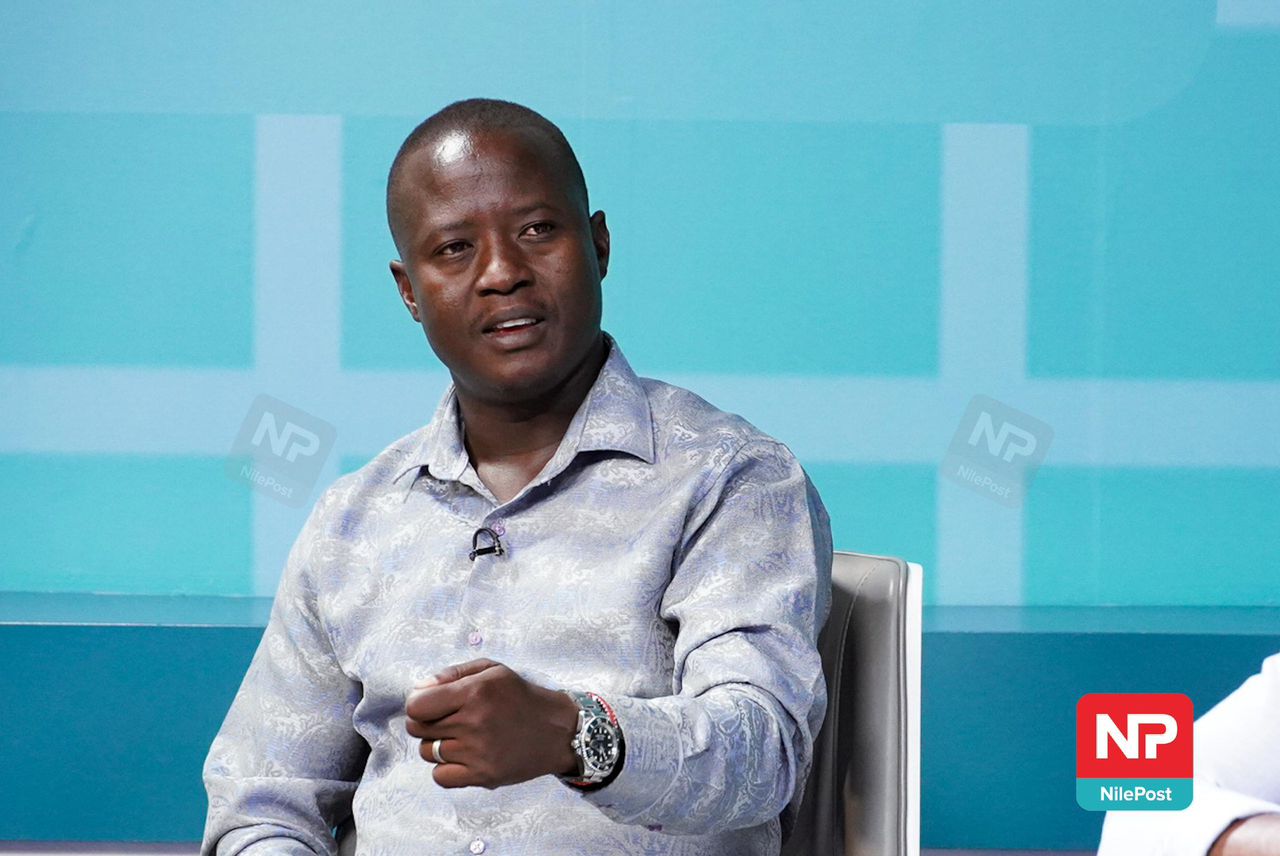
The Principal Press Secretary to the Speaker of Parliament, Joseph Sabiti, has defended the use of closed-door parliamentary investigations, arguing that sensitive matters involving strategic state institutions like Uganda Airlines should not always be conducted in public.
Speaking during NBS Media Roundtable on Friday, Sabiti questioned the benefit of open investigations into the national carrier at a time when it is undergoing critical scrutiny and leadership transition.
“What would you achieve by subjecting Uganda Airlines to an open investigation?” he asked, noting that it is an accepted parliamentary practice to hold inquiries behind closed doors when discussions involve confidential or sensitive information.
Sabiti’s remarks come as Uganda Airlines navigates a pivotal transition period following the departure of Chief Executive Jenifer Bamuturaki, who stepped aside amid investigations by the Criminal Investigations Directorate (CID) and the State House Anti-Corruption Unit.
Her exit has reignited public debate over whether Uganda Airlines’ long-standing challenges stem from individual leadership failures or deeper systemic governance weaknesses within the state-owned enterprise.
Speculation has recently swirled regarding the potential appointment of a former Ethiopian Airlines chief executive to head Uganda Airlines.
However, the Office of the President clarified that no appointment has been made, following social media posts that prematurely suggested a new CEO.
The clarification followed a high-profile meeting at State House Entebbe, where former Ethiopian Airlines CEO Girma Wake met President Museveni to discuss aviation management and share insights from his decades-long experience.
After the meeting, several government functionaries shared photographs with Wake and implied he had been appointed, prompting a formal correction from the President’s office.
Bamuturaki’s departure comes after years of scrutiny over Uganda Airlines’ governance and financial performance.
Auditor-General reports have repeatedly highlighted structural weaknesses, including the absence of an approved staff establishment, salary disparities, and persistent operational losses.
In 2024, Bamuturaki appeared before Parliament’s Committee on Commissions, Statutory Authorities and State Enterprises (COSASE), where she was asked to present her academic documents as part of parliamentary oversight of public entities.
Despite ongoing controversy, the airline continued operating under her leadership until her exit.
Industry experts caution that leadership changes alone will not resolve Uganda Airlines’ challenges.
They argue that unless governance frameworks are strengthened and the airline is insulated from political interference, any incoming management team risks confronting the same structural problems that hampered previous administrations.
Revived in 2019 as a symbol of national pride and economic ambition, Uganda Airlines currently operates a fleet of seven aircraft across 17 regional and international destinations from its hub at Entebbe International Airport.
The airline now faces a defining moment as government considers reforms aimed at restoring public confidence, improving governance, and ensuring long-term financial sustainability.
